


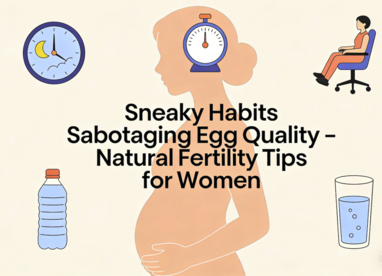
When it comes to boosting fertility, most of us fixate on diet first. We cut out processed foods, load up on leafy greens, and swap caffeine for herbal tea—all with the goal of nurturing healthier eggs. But what if the real culprits behind compromised egg quality aren’t on your plate?
Egg quality relies on more than just nutrient intake. Many of the daily habits we barely notice—those “sneaky” routines woven into our busy lives—can quietly undermine ovarian health over time. For anyone on a fertility journey, especially those navigating IVF or struggling with unexplained infertility, unravelling these hidden saboteurs is just as crucial as nailing a fertility-friendly diet. Let’s dive into the 5 habits you might be overlooking, and how to fix them.
1. Chronic Sleep Deprivation (More Than Just Tiredness)
Burnout culture often glorifies late nights and early mornings, but skimping on sleep does far more harm than leaving you groggy. Your ovaries rely on a steady sleep-wake cycle to regulate hormone production—including follicle-stimulating hormone (FSH), which is key for egg maturation.
Studies show that consistently getting less than 7 hours of sleep per night disrupts melatonin levels (the sleep hormone), which also plays a role in protecting egg cells from oxidative stress. Even “occasional” late nights add up: irregular sleep patterns can throw your entire endocrine system off balance, leading to poor egg quality over time. The fix? Prioritise a consistent sleep schedule—aim for 7-9 hours nightly—and create a pre-bed routine free from screens to boost melatonin production.
2. Overlooking “Low-Level” Chronic Stress
ADVERTISEMENT
ADVERTISEMENTKate Spade Autumn/Winter Sale |
We all know severe stress is bad for fertility, but what about the subtle, constant pressure we face daily? The endless to-do lists, work deadlines, and even the stress of trying to conceive itself (the “fertility pressure cycle”) count as low-level chronic stress—and it’s a silent egg quality saboteur.
When you’re stressed, your body releases cortisol, the “fight-or-flight” hormone. Elevated cortisol levels interfere with the delicate balance of oestrogen and progesterone, which are essential for healthy egg development. Over time, this can lead to slower follicle growth and reduced egg viability. To combat it, try micro-practices of stress relief: 5-minute mindfulness sessions, deep breathing breaks, or a daily walk in nature. Even small, consistent efforts can lower cortisol and support ovarian health.
3. Sedentary Behaviour (Even If You Exercise Regularly)
You might hit the gym 3 times a week, but if you spend the rest of your day sitting at a desk or on the couch, you’re still at risk of sedentary-related fertility issues. Prolonged sitting slows blood flow to the pelvic region, depriving the ovaries of oxygen and vital nutrients—both of which are critical for egg health.
Research links sedentary behaviour to reduced ovarian reserve and lower egg quality, even in women who exercise moderately. The solution isn’t just more intense workouts; it’s breaking up sitting time. Set a timer to stand, stretch, or walk for 2-3 minutes every hour. Take the stairs instead of the lift, or walk during your lunch break. These small movements add up to better pelvic circulation and healthier eggs.
4. Excessive Exposure to Environmental Toxins
They’re everywhere: in your skincare products, plastic containers, and even the air you breathe. Environmental toxins like BPA (found in plastic bottles and food packaging), phthalates (in cosmetics and fragrances), and pesticides (in non-organic produce) are known endocrine disruptors. They mimic or interfere with your body’s natural hormones, damaging egg cells and disrupting their development.
The sneakiest part? You might not even realise you’re exposed. To reduce your risk, swap plastic containers for glass or stainless steel, choose skincare and makeup labelled “phthalate-free” or “paraben-free,” and opt for organic fruits and vegetables where possible (especially the “dirty dozen” list of produce with the highest pesticide residues). Small swaps can significantly lower your toxin load and protect egg quality.
5. Ignoring Hydration (It’s Not Just About Water Intake)
We all know we should drink more water, but dehydration is often overlooked as a factor in egg quality. Your egg cells are made up of mostly water, and even mild dehydration can affect their structure and function. What’s more, drinking excessive amounts of dehydrating beverages—like sugary sodas, excessive caffeine, or alcohol—worsens the problem.
Aim to drink 2-2.5 litres of water daily (more if you exercise or live in a hot climate). Limit caffeine to 1-2 cups of tea or coffee per day (British standards recommend no more than 200mg of caffeine daily for those trying to conceive) and avoid alcohol entirely, as it directly impairs egg maturation. Adding lemon or cucumber to your water can make hydration more enjoyable—and help you stay on track.
Final Thoughts: Small Shifts, Big Results
Improving egg quality isn’t just about overhauling your diet. By addressing these sneaky habits, you’re creating a supportive environment for your ovaries to thrive—one small change at a time. Remember, fertility is a journey, and progress (not perfection) is key.
If you’re struggling with unexplained infertility or poor egg quality, don’t hesitate to speak to your fertility consultant. They can help you tailor these tips to your unique needs and rule out any underlying medical issues. With the right habits and support, you’re one step closer to nurturing healthier eggs and boosting your chances of conception.
👉 Read More Fertility Articles 🖱️
ADVERTISEMENT
ADVERTISEMENTSports Direct Free Delivery on All Orders! |
ADVERTISEMENT
ADVERTISEMENTUp to 30% off Gift Sets |