




Many individuals and couples navigate the journey of fertility treatment with uncertainty. This is especially true for those who have experienced implantation failures and the disappointment that follows. In recent years, advances in reproductive medicine have brought new hope. More and more clinics now use Endometrial Receptivity Analysis (ERA) technology, completely transforming the approach to embryo transfer. At the heart of this innovation lies the concept of personalised “Window of Implantation” analysis. It breaks away from the traditional one-size-fits-all transfer schedule, enabling clinics to tailor embryo transfer timing for patients with exceptional precision.
1. What is the “Window of Implantation”? Why Personalised Analysis Matters
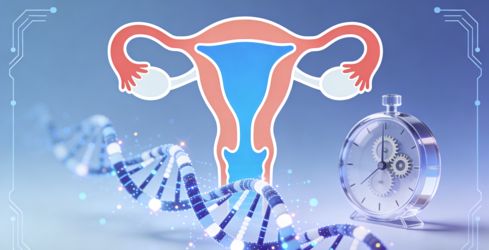
To understand the significance of this shift, we first need to clarify the role of the “Window of Implantation” (WOI). It refers to a narrow, critical period in a woman’s menstrual cycle. During this time, the endometrium is in its optimal state, making it most receptive to embryo implantation. Historically, fertility clinics mostly relied on standard schedules based on average cycle lengths to arrange embryo transfers. They assumed the WOI was fixed for all women. While this approach works for some, it overlooks individual differences in endometrial receptivity. These differences, though subtle, have a significant impact on transfer outcomes.
2. ERA Technology: The Core Tool for Precisely Identifying Optimal Implantation Time
Endometrial Receptivity Analysis (ERA) addresses this exact issue. Unlike traditional methods, ERA is a genetic testing technology. It provides a detailed assessment of the endometrium’s readiness, with a focus on personalisation. Technicians analyse the expression of specific genes related to receptivity. Through this analysis, they can pinpoint the optimal implantation time with precision down to the hour. For patients who have experienced repeated implantation failures, this level of accuracy is game-changing. Often, transfer failures stem not from problems with the embryo itself. Instead, they result from a mismatch between the transfer timing and the patient’s unique WOI. ERA technology eliminates this guesswork, ensuring embryos are transferred when the uterus is fully prepared.
3. Three Core Benefits of Personalised Schemes
The benefits of this personalised approach extend far beyond improved success rates. First, it eases patients’ emotional and financial burdens. Many couples have endured the pain of multiple failed treatments, and ERA technology offers them a sense of control and clarity. Second, it reduces the waste of medical resources. The technology cuts down on unnecessary procedures and wasted cycles, allowing clinics to focus resources on the most promising transfer windows. Third, the testing process is minimally invasive and convenient. Patients only need to undergo a small endometrial biopsy at the clinic. The sample is then sent to a laboratory for genetic analysis. The results clearly indicate the endometrial status at the tested time point: “receptive” or “non-receptive”. Doctors can adjust the transfer timing for subsequent cycles based on these results.
4. The Trend of Personalisation in Reproductive Medicine: The Breakthrough Significance of ERA Technology
ADVERTISEMENT
ADVERTISEMENTKate Spade Autumn/Winter Sale |
Today, fertility treatment technology is becoming increasingly sophisticated. The trend of personalised care is reshaping the field of reproductive medicine. ERA technology is a prime example. It leverages genetic insights to meet individual patient needs. It breaks free from the limitations of one-size-fits-all protocols, fully considering individual biological differences. For women with a history of implantation failures, this technology is an even greater breakthrough. It recognises that the fertility journey is not one-size-fits-all. Tailoring treatment plans to individual biological characteristics is the key to improving success rates.
5. A Rational View of ERA: It Is Not a “Magic Bullet”
Of course, we must view any medical advancement rationally. ERA technology is not a “magic bullet” either. The success of fertility treatment depends on multiple factors. These include embryo quality, the patient’s overall health, and underlying medical conditions. But ERA technology ensures the precision of the critical embryo transfer step. This significantly increases the probability of successful implantation. For this reason, more and more clinics in the UK and around the world are incorporating this test into their fertility treatment plans.
6. Core Advice for Patients Undergoing Fertility Treatment
For anyone undergoing fertility treatment—especially those who have faced setbacks—understanding personalised “Window of Implantation” analysis is crucial. It may be the key to unlocking their journey to parenthood. Patients can choose to work with clinics that offer ERA testing. This way, they can receive treatment plans tailored to their unique biological characteristics, rather than relying on average schedules. In the field of fertility treatment, every detail matters. This level of precision is by no means a luxury; it is a lifeline for many.
In conclusion, personalised “Window of Implantation” analysis using ERA technology is revolutionising embryo transfer success rates. It is transforming the fertility journey for countless people. This innovative test breaks the limitations of one-size-fits-all protocols. It enables doctors to provide more targeted and effective treatment, fully respecting the biological uniqueness of each patient. For those who have experienced implantation failures, it brings new hope and points to a clearer path toward fulfilling their dream of starting a family.
ADVERTISEMENT
ADVERTISEMENTUp to 30% off Gift Sets |