



Title: The Incredible Link Between What You Eat and How Your Brain Ages
There’s something electrifying happening at the intersection of nutrition and neuroscience: the foods we choose today can echo in our minds years down the line. The link between diet and dementia risk is impossible to deny, and it’s not about strict dieting or deprivation—it’s about nourishing your brain with every bite.
From the moment you wake up, your kitchen becomes a laboratory for long-term brain health. Consider the daily choices that add up: the color and variety on your plate, the balance of macronutrients, and the steady stream of vitamins, minerals, and bioactive compounds that fuel neurons and support memory, focus, and mood. It’s astonishing how foods can influence the brain’s resilience, inflammation levels, and even the pace of cognitive aging.
A heart-healthy diet often overlaps with a brain-healthy one. Foods that protect the heart—whole grains, leafy greens, fatty fish, berries, legumes, nuts, seeds, and olive oil—also tend to shield the brain. They fight inflammation, bolster blood flow, and provide antioxidants that guard brain cells from daily wear and tear. It’s not a coincidence that vascular health and cognitive health walk hand in hand; when the pipes are clear and the heart is strong, the brain operates in its optimal groove.
But this isn’t about chasing perfect meals. It’s about consistent, smart patterns that stack up over time. Here are some practical, science-backed moves you can start today:
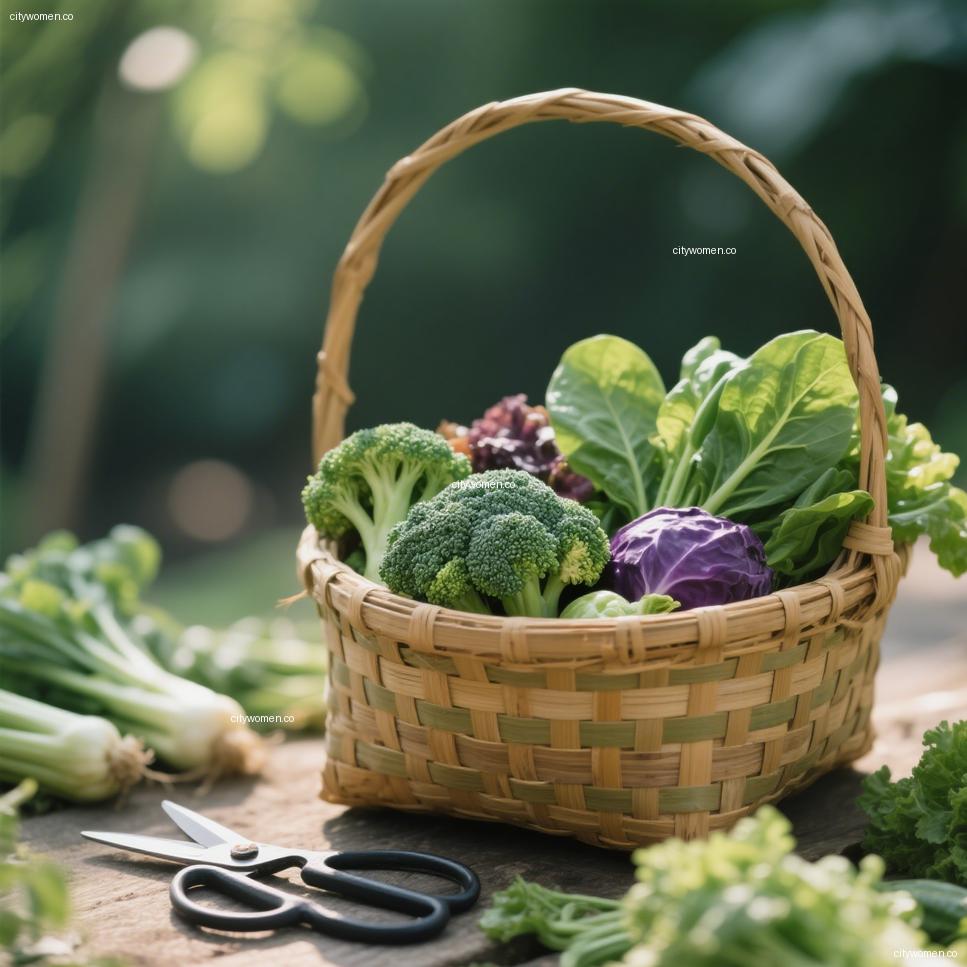
– Embrace a Mediterranean-leaning pattern: Plenty of fruits and vegetables, whole grains, legumes, nuts, olive oil, and fatty fish a few times a week. This combination supports cognitive function and reduces risk factors associated with dementia.
– Favor antioxidants and polyphenols: Berries, leafy greens, dark chocolate (in moderation), tea, and colorful vegetables help combat oxidative stress in brain tissue.
– Choose healthy fats: Focus on unsaturated fats—omega-3s from fatty fish or flaxseeds, and monounsaturated fats from olive oil and avocados. They’re the brain’s best friends.
– Moderate red meat and processeds: When you do eat meat, opt for lean cuts and limit processed varieties. Pair meals with fiber-rich sides to keep glycemic spikes low.
– Prioritize fiber and gut-friendly foods: A thriving gut microbiome is increasingly linked to brain health. Whole grains, vegetables, fermented foods, and probiotics can contribute to a healthier mind-brain axis.
– Hydration and routine: Water is essential for cognitive performance. Regular meals help stabilize energy and concentration throughout the day.
– Mindful indulgences: It’s not about perfection; it’s about balance. Enjoy treats mindfully and in moderation, alongside nutrient-dense choices.
ADVERTISEMENT
ADVERTISEMENTKate Spade Autumn/Winter Sale |
The science doesn’t pretend to have a crystal ball. Dementia is a multifactorial condition influenced by genetics, lifestyle, education, sleep, stress, physical activity, and more. But the power of diet as a modifiable factor is real and empowering. By aligning daily eating habits with brain-healthy principles, you’re building a durable cognitive reserve—potentially delaying the onset or lowering the risk of cognitive decline.
Let’s talk about flavor and longevity in the same breath. Food isn’t just fuel; it’s experience, culture, and joy. A vibrant plate that pleases your senses while supporting brain health can become a lifelong companion on your wellness journey. Plan meals that are colorful, varied, and satisfying. When you look forward to what you’ll eat, you’re more likely to stick with nourishing patterns in the long run.
If you’re feeling inspired but unsure where to start, here are three simple starter swaps:
– Swap refined grains for whole grains in breakfast and lunch (think oats, quinoa bowls, or whole-wheat wraps).
– Add a handful of walnuts or almonds to snacks and salads for a brain-boosting crunch.
– Include fatty fish like salmon or sardines a couple of times a week, or choose fortified plant-based alternatives if you don’t eat fish.
The journey to better brain health through diet isn’t a sprint; it’s a steady, delectable marathon. Each healthy choice compounds, gradually shaping cognitive resilience and everyday clarity. The evidence is clear enough to empower action: what you eat today can influence how your brain ages tomorrow.
Ready to reimagine your menu with the brain in mind? Start with one small change this week, keep the momentum, and savor the confidence that comes with nourishing your mind as you nourish your body. After all, a sharper, brighter brain is the most delicious gift you can give yourself—and it’s within reach with every mindful bite.
ADVERTISEMENT
ADVERTISEMENTUp to 30% off Gift Sets |