



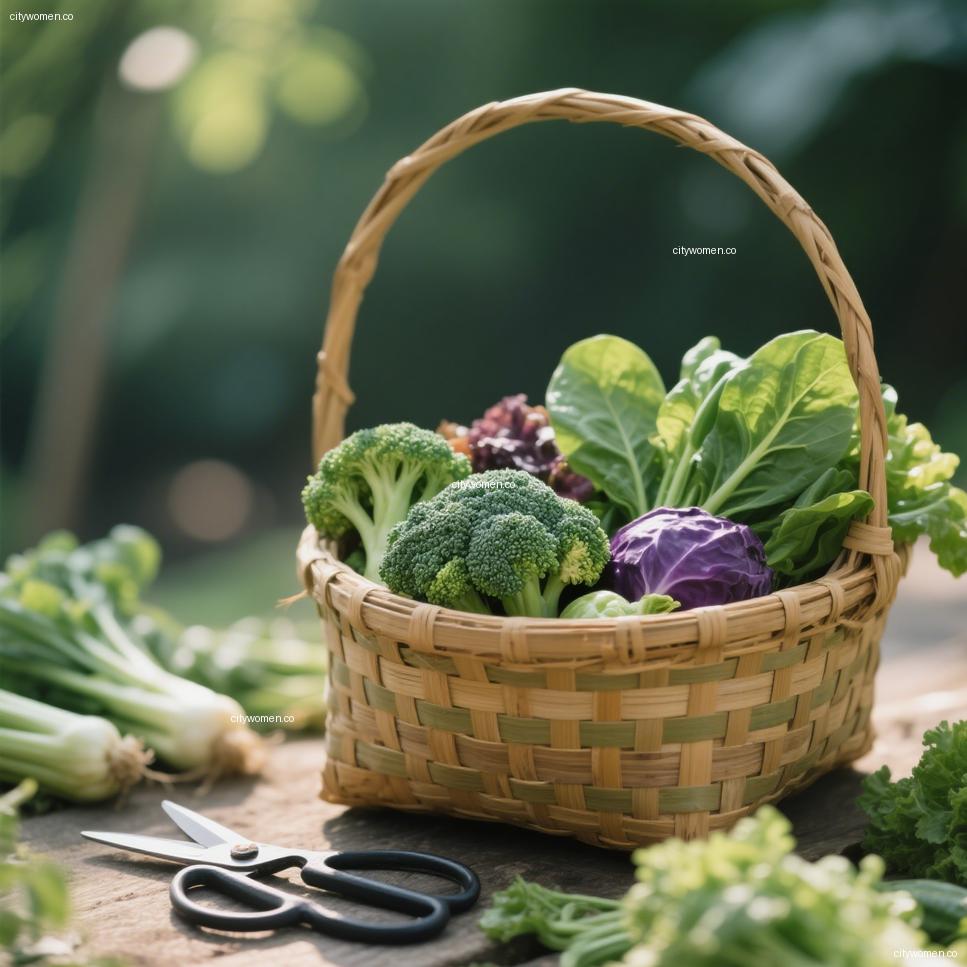
Long-Term Healthy Eating Habits May Help Keep Your Body Feeling—and Functioning—Younger
Imagine waking up with steadier energy, clearer focus, and a body that seems to bounce back faster after a long day. It sounds like magic, but the science is on your side: consistently choosing nourishing foods over the long haul can help your body feel and function younger than your years. The good news is you don’t need a perfect plan to start; small, sustainable changes add up—and they feel surprisingly doable.
Why long-term habits matter more than quick fixes
– Consistency compounds. A single week of perfect eating feels great, but the real payoff comes when healthy choices become second nature. Over months and years, those steady decisions support metabolic health, stable weight, and steady energy.
– It’s about the big picture. One indulgent meal isn’t derailment, but a pattern—lots of ultra-processed foods, added sugars, and low-nutrient options—can quietly wear down how your body functions over time. Building a habit loop around whole foods helps your digestion, mood, sleep, and vitality.
– Your body loves predictability. When you give your body regular meals with balance, it’s easier to maintain muscle mass, keep bone health strong, and fuel daily activities without the sluggishness that comes from frequent high-sugar spikes or heavy meals.
What healthy eating can do for aging in the body
– Energy and mood: nutrient-dense meals stabilize blood sugar, reduce energy crashes, and support neurotransmitter function, which can improve overall mood and motivation.
– Muscle and bone health: adequate protein, healthy fats, and calcium-rich or fortified foods help preserve lean mass and bone density as you age, which is key for staying active and independent.
– Brain function: diets rich in colorful fruits and vegetables, whole grains, and healthy fats are linked with better cognitive performance and a lower risk of decline.
– Inflammation and gut health: a fiber-forward pattern with diverse plant foods supports gut microbiome balance and helps modulate chronic inflammation—two big players in healthy aging.
– Metabolic resilience: mindful portions, less ultra-processed foods, and steady hydration support insulin sensitivity and cardiovascular health over the long haul.
ADVERTISEMENT
ADVERTISEMENTKate Spade Autumn/Winter Sale |
The building blocks of a long-term healthy eating plan
– Emphasize plants: fill half your plate with vegetables, fruits, legumes, and whole grains. Aim for varied colors to cover a broad spectrum of nutrients and antioxidants.
– Choose lean protein: poultry, fish, eggs, dairy, beans, lentils, tofu, tempeh, and nuts offer essential amino acids and minerals that help maintain muscle and metabolism.
– Favor healthy fats: include sources like olive oil, avocados, nuts, seeds, and fatty fish. They support heart health and help you absorb fat-soluble vitamins.
– Prioritize fiber: aim for a mix of soluble and insoluble fiber from fruits, vegetables, legumes, oats, and whole grains to support digestion and blood sugar balance.
– Hydration matters: water is the best default. Herbal teas and low-sugar beverages can help you stay hydrated, but limit sugary drinks and highly processed beverages.
– Minimize ultra-processed foods: these often bring excess salt, sugar, and unhealthy fats with little nutrient payoff. Save room for real foods that nourish your body.
Practical, sustainable strategies you can start today
– Plan with a plate model: imagine half your plate vegetables and fruit, one-quarter lean protein, one-quarter whole grains or starchy vegetables. This simple guide keeps portions balanced and colorful.
– Batch cook and batch save: prepare a few proteins (like grilled chicken, baked fish, or tofu), grains (brown rice, quinoa), and roasted vegetables on a Sunday or a quiet evening. You’ll have ready-made components for quick meals all week.
– Build a grocery list around colors: pick a new vegetable or fruit each week to expand your nutrient intake and keep meals exciting.
– Snacking that supports you: choose nutrient-dense snacks like Greek yogurt with berries, sliced veggies with hummus, or a small handful of nuts with fruit, instead of chips or sweets.
– Smart swaps: swap white bread and refined grains for whole-grain options; replace sugary drinks with water or unsweetened beverages; use olive oil instead of butter or cream in many dishes.
– Mindful meals: slow down, chew your food well, and listen to hunger and fullness cues. This helps digestion and prevents overeating.
– Consistency over perfection: aim for most meals to be nutrient-dense and enjoyable. It’s okay to have treats; the key is making better choices most of the time.
Addressing common myths with practical truth
– Myth: Healthy eating is expensive.
Truth: You can eat well on many budgets. Plan meals around affordable staples (beans, oats, frozen vegetables, seasonal produce), cook at home, and buy in bulk when sensible. Small tweaks add up.
– Myth: Carbs are the enemy.
Truth: Focus on quality carbs—whole grains, legumes, fruits, vegetables—rather than refined, highly processed options. They provide steady energy and fiber.
– Myth: You must go all-in or you’ll fail.
Truth: Sustainable progress means small steps that you can keep up. A slow, steady pace beats drastic, short-lived changes every time.
A simple starter plan you can try this week
– Breakfast ideas: overnight oats with berries and a sprinkle of nuts; or Greek yogurt with sliced fruit and a dash of cinnamon.
– Lunch ideas: a big salad with mixed greens, colorful veggies, chickpeas or chicken, quinoa or barley, and olive oil-based dressing; or a whole-grain wrap with turkey, avocado, and lots of veggies.
– Dinner ideas: grilled salmon or tofu with roasted vegetables and a side of brown rice; or a veggie-packed stir-fry with tofu and a small portion of noodles.
– Snacks: apple slices with almond butter; carrot sticks with hummus; a small handful of mixed nuts.
– Hydration reminders: start your day with a glass of water, aim for at least 6–8 cups daily, and adjust based on activity and climate.
Tiny weekly win ideas to keep you motivated
– Add one more vegetable to at least two meals this week.
– Drink one additional glass of water before each meal.
– Try a new fruit or leafy green and incorporate it into a meal.
– Prepare a meal that uses only one cooking method (oven bake, grill, or sauté) to simplify weeknights.
Finding your own balance
Everyone’s body and tastes are a little different, so it’s important to tailor healthy eating to what you enjoy and what works for your schedule. The most effective long-term plan is one you can stick with, not one that feels like deprivation. Pay attention to energy levels, sleep quality, digestion, and mood as you experiment with small changes.
ADVERTISEMENT
ADVERTISEMENTSports Direct Free Delivery on All Orders! |
In the end, the goal is not just looking younger—it’s feeling younger, too. You’ll notice more days with steady energy, fewer cravings, and a sense of control over your health that grows with every well-chosen bite. Long-term healthy eating isn’t a sprint; it’s a lifestyle upgrade that accumulates beauty, vitality, and function over time.
If you’re ready to start, pick one small change today—perhaps adding an extra vegetable to dinner or swapping a processed snack for a fruit—and commit to it for a week. Then add another change. Before you know it, you’ll be building a resilient, nourishing pattern that helps your body feel—and function—younger for years to come.
ADVERTISEMENT
ADVERTISEMENTUp to 30% off Gift Sets |