


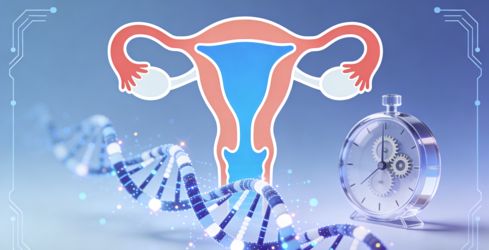
In the quest for IVF success, more and more people are turning to biohacking—optimising their bodies’ natural functions through science-backed lifestyle and nutritional tweaks—to give their fertility journey a boost. While diet and exercise lay the groundwork, the right supplements can be powerful tools to support egg and sperm health, balance hormones, and prepare your body for the demands of IVF. But with shelves packed with unproven products and conflicting advice, it’s hard to know which ones are worth your time and money.
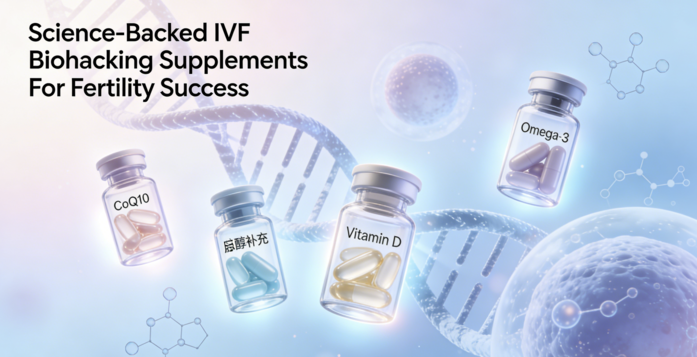
The key to effective IVF biohacking is focusing on supplements with credible research and clinical backing. This isn’t about quick fixes or miracle cures; it’s about nourishing your body with nutrients it needs to thrive during this critical period. Below, we break down the supplements that actually work for IVF prep, plus key tips for integrating them into your routine safely.
1. Coenzyme Q10 (CoQ10): Fuel for Egg Health
CoQ10 is a naturally occurring antioxidant that plays a vital role in energy production within cells—including egg cells. As we age, our bodies’ CoQ10 levels decline, which can impact egg quality and ovarian function. For anyone undergoing IVF, especially those over 35 or with low ovarian reserve, supplementing with CoQ10 has been shown to improve egg quality and increase the chances of successful fertilisation.
Research conducted in fertility clinics across the UK suggests that taking 100–300mg of CoQ10 daily (in the form of ubiquinol, the most bioavailable variant) for at least 3 months before IVF can enhance follicle development and improve embryo quality. It’s a cornerstone supplement for anyone looking to biohack their way to better IVF outcomes.
2. Myo-Inositol: Hormone Balance for Fertility
ADVERTISEMENT
ADVERTISEMENTKate Spade Autumn/Winter Sale |
Myo-inositol, a type of B vitamin, is a game-changer for anyone struggling with hormonal imbalances—such as polycystic ovary syndrome (PCOS)—which can hinder IVF success. It helps regulate insulin levels, which in turn balances oestrogen and progesterone, two hormones critical for healthy egg maturation and implantation.
Studies show that taking 2–4g of myo-inositol daily (often paired with folic acid for added benefit) can improve ovulation rates and egg quality in women with PCOS. Even for those without PCOS, myo-inositol supports overall reproductive health by reducing oxidative stress in the ovaries. Always opt for pure myo-inositol (avoid D-chiro-inositol unless advised by your consultant, as high doses can have the opposite effect for some).
3. Folic Acid (Vitamin B9): Non-Negotiable for IVF Prep
Folic acid is perhaps the most well-known fertility supplement—and for good reason. It’s essential for preventing neural tube defects in a developing fetus, but its benefits for IVF start long before conception. Folic acid supports DNA synthesis in egg and sperm cells, improving their quality and reducing the risk of chromosomal abnormalities.
UK fertility guidelines recommend that anyone trying to conceive (including those undergoing IVF) take 400mcg of folic acid daily for at least 3 months before treatment. For those with a family history of neural tube defects or certain medical conditions, your consultant may advise a higher dose. Don’t skip this foundational supplement—it’s one of the simplest and most effective ways to support your IVF journey.
4. Vitamin D: The Overlooked Fertility Booster
Vitamin D deficiency is rife in the UK, especially during the winter months—and it’s a silent saboteur of fertility. This fat-soluble vitamin plays a key role in regulating reproductive hormones and supporting immune function, both of which are crucial for IVF success. Low vitamin D levels have been linked to reduced egg quality, poor embryo implantation, and lower IVF success rates.
Get your vitamin D levels tested before starting IVF—your GP or fertility clinic can arrange this. If you’re deficient, your consultant will likely recommend a supplement (usually 1000–2000 IU daily) to bring your levels back to the optimal range. Pairing vitamin D with calcium can enhance absorption, but always follow professional advice to avoid excess.
5. Omega-3 Fatty Acids: Support for Egg and Sperm Health
Omega-3s (specifically EPA and DHA) are essential fatty acids that support reproductive health for both partners. For women, they help reduce inflammation in the ovaries, improve egg quality, and support the development of a healthy uterine lining—key for implantation. For men, omega-3s boost sperm motility and morphology (shape), which can improve fertilisation rates.
Look for a high-quality fish oil supplement (sourced from sustainable, low-mercury fish like salmon or sardines) containing 1000–2000mg of combined EPA and DHA daily. If you’re vegetarian or vegan, algae-based omega-3 supplements are a great alternative. Avoid cheap supplements with high levels of fillers—investing in a reputable brand is worth it for IVF prep.
Key Biohacking Tips for Safe Supplement Use
While these supplements are effective, they’re not a substitute for professional medical advice. Here’s how to use them safely during IVF:
- Always consult your fertility consultant before starting any new supplement. They’ll tailor recommendations to your unique health profile (e.g., age, medical conditions, medication use) and avoid interactions with IVF drugs.
- Start early—most supplements take 3–6 months to show full benefits, so begin your routine well before your IVF cycle.
- Stick to recommended doses. More isn’t always better, and excess of certain supplements (like vitamin D or omega-3s) can have adverse effects.
- Pair supplements with a balanced diet. Supplements enhance, not replace, nutrient-dense foods like leafy greens, fatty fish, nuts, and whole grains.
Final Thoughts: Biohacking for IVF Success
Biohacking your body for IVF is about making intentional, science-backed choices to support your fertility. The supplements listed above have proven benefits for egg and sperm health, hormone balance, and implantation—key pillars of IVF success. But remember, every fertility journey is unique, and what works for one person may not work for another.
Work closely with your fertility team to create a personalised biohacking plan that includes the right supplements, diet, exercise, and stress management techniques. With the right support and tools, you can optimise your body for IVF and increase your chances of bringing home a healthy baby.
ADVERTISEMENT
ADVERTISEMENTSports Direct Free Delivery on All Orders! |
ADVERTISEMENT
ADVERTISEMENTUp to 30% off Gift Sets |