



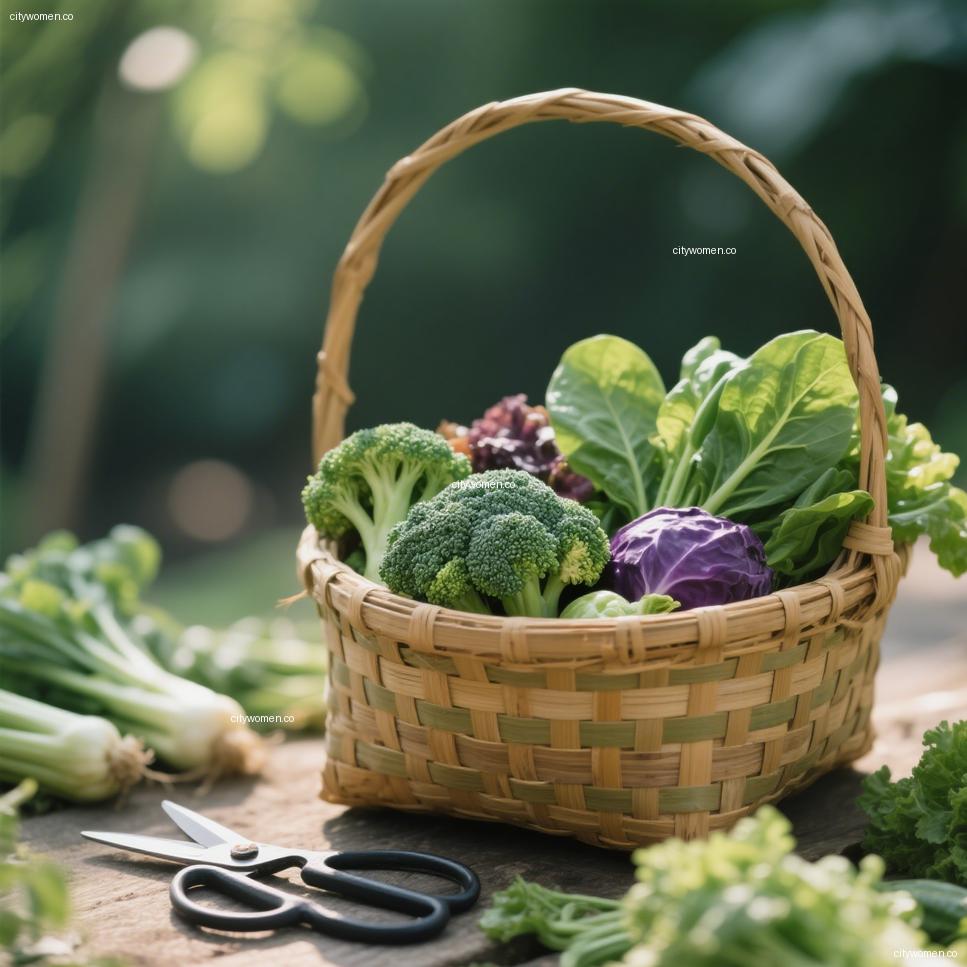
Undefined: Embrace the Unknown and Unleash Health, Joy, and Potential
Welcome to the land of undefined—the place where possibilities stretch beyond the obvious and every turn invites curiosity. If you’ve ever felt stuck in a routine or wondered what happens when you step off the beaten path, you’re in the right headspace. Today’s message is simple and electrifying: leaning into the undefined can revitalize your gut health, boost brain function, and unlock a cascade of benefits you didn’t even know were possible.
A mood-boosting, brain-boosting, gut-loving mindset
When we allow life to be undefined—unfixed, open-ended, full of “what ifs”—we invite our brains to become more flexible, creative, and resilient. This cognitive flexibility isn’t just a nice-to-have; it’s a physiological advantage. New challenges, new foods, new routines require the brain to form fresh connections, forging pathways that sharpen memory, attention, and problem-solving. At the same time, the gut-brain axis hums along more smoothly when stress is managed and curiosity is present, because a calmer gut tends to speak a calmer mind.
It’ll benefit your gut health, brain function, and more. Here’s how embracing the undefined can touch every corner of your wellness:
Gut health
– Diversity is your friend: A varied, fiber-rich diet feeds a diverse gut microbiome, which is linked to better digestion, improved stool consistency, and a stronger gut barrier.
– Fermented foods as daily companions: Yogurt, kefir, sauerkraut, kimchi, miso, or kombucha introduce helpful microbes that support digestion and immune function.
– Prebiotics matter: Foods like garlic, onions, leeks, asparagus, bananas, oats, and apples feed your good bacteria, helping them thrive.
– Mindful eating for a happier gut: Slow, mindful meals reduce stress-related gut turmoil and give your microbiome a steadier environment in which to flourish.
Brain function
– Neuroplasticity through novelty: Trying new activities, learning a new skill, or even altering your daily routine keeps your brain plastic and responsive. This can translate to sharper focus, quicker thinking, and better memory.
– Sleep and rhythm: Undefined doesn’t mean chaos. It means healthy boundaries and a flexible routine. Consistent sleep supports memory consolidation and emotional balance—key to a resilient brain.
– Mood and resilience: The gut-brain axis links what you eat with how you feel. A gut-friendly, diverse diet can support better mood regulation and stress resilience.
ADVERTISEMENT
ADVERTISEMENTKate Spade Autumn/Winter Sale |
Other benefits
– Immune resilience: A well-balanced microbiome supports immune function, which helps you feel more energized and capable of handling daily stresses.
– Inflammation management: A varied, plant-forward diet and regular physical activity can help modulate inflammatory responses—another win for overall health.
– Creativity and connection: Embracing uncertainty invites conversation, collaboration, and social connection, all of which are linked to better mental health and greater life satisfaction.
Practical ways to lean into the undefined in your daily life
1) Mix up your meals with variety
– Set a weekly challenge: try at least one new plant-based food, spice, or recipe. Include a source of fiber with every meal (vegetables, fruits, legumes, whole grains).
– Include fermented foods several times a week to nurture your gut microbiome.
2) Move with curiosity
– Change up your routine: add a new form of movement (dance class, hiking a new trail, a short yoga flow) to stimulate the brain and body.
– Short, varied workouts beat long, monotonous ones for cognitive benefits and mood.
3) Practice mindful ambiguity
– Journal or meditate about uncertainty: note what you’re curious about, what you’re resisting, and what you’d like to try this week. This builds cognitive flexibility and reduces chronic stress.
– Try decision-making with a playful mindset: flip a coin for small choices, then commit to learning from the outcome.
4) Prioritize sleep and stress management
– Create a wind-down ritual that signals your brain to settle: dim lights, screen curfew, gentle stretching, breathing exercises.
– Manage stress with brief, daily practices that you actually enjoy—breathwork, a quick walk, or listening to music you love.
5) Nurture social connections
– Share your undefined moments with a friend or family member. Curiosity is contagious, and supportive conversations can expand your perspective and reduce stress.
6) Hydration, sunlight, and daily micro-wins
– Hydration supports digestion and energy levels; pair it with a short dose of sunlight for mood and circadian rhythm benefits.
– Celebrate small experiments: did a new ingredient sit well? Did you finish a book or a course? Small wins compound into big confidence.
A note on safety and personalization
The ideas above are general wellness suggestions. If you have health conditions, allergies, or are pregnant or nursing, or you’re taking medications, consult with a healthcare professional before making significant changes to your diet or exercise routine. Listen to your body; what works for one person may not work for another, and that’s perfectly part of embracing the undefined.
Closing thought: the beauty of undefined living
There’s something exhilarating about stepping into the undefined. It’s not about reckless risk; it’s about choosing curiosity, experimentation, and compassion for yourself. When you approach life with this mindset, your gut, brain, and whole self respond with greater harmony, energy, and clarity.
If you’re up for it, pick one small undefined moment this week: try a new food, start a short brain-boosting activity, or add a simple mindfulness practice. See how your body and mind respond, and let that curiosity lead you to the next bold, undefined step. The journey itself is part of the reward—and it’s already beginning as you read this.
Would you like me to tailor this draft to a particular audience (e.g., busy professionals, students, or new parents) or adjust the tone further (more scientific, more narrative, shorter form)?
ADVERTISEMENT
ADVERTISEMENTUp to 30% off Gift Sets |