



Walk into any UK fertility support group, or scroll through a parenting forum, and you’ll quickly stumble on them: the fertility superstitions. From carrying a lucky acorn in your pocket to avoiding black cats during IVF, these age-old beliefs and modern rituals weave their way into countless fertility journeys. For anyone navigating the ups and downs of trying to conceive—whether naturally or through treatment—they raise a big question: are these practices rooted in truth, just tacky old wives’ tales, or actually worth clinging to for a little hope?
Fertility superstitions aren’t new. They’ve existed across cultures for centuries, born from a desire to find control in a process that often feels frustratingly out of our hands. In the UK, we’ve got our own unique mix of traditional beliefs and contemporary rituals, each with passionate defenders and sceptics alike. Let’s dive into some of the most common ones, separate fact from fiction, and explore why even the “tackiest” superstitions might have a place in your fertility journey.
1. Common UK Fertility Superstitions: From Classic to Quirky
Before we judge, let’s look at the rituals many Brits turn to when trying to conceive. Some are steeped in history, while others have emerged from the online fertility community:
The Lucky Acorn
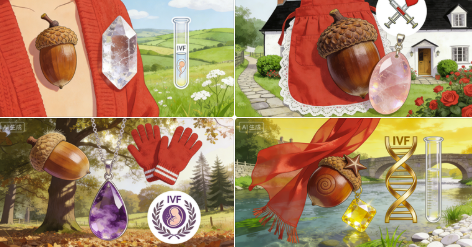
A classic British superstition holds that carrying an acorn brings fertility luck. This dates back to ancient Druid beliefs, where oak trees were seen as symbols of life and abundance. Today, you’ll find fertility warriors tucking acorns into their handbags or keeping them on their nightstands.
Avoiding “Unlucky” Colours
ADVERTISEMENT
ADVERTISEMENTKate Spade Autumn/Winter Sale |
Some people steer clear of black or white clothing during IVF cycles, believing these hues bring bad fortune. Others swear by wearing red—said to symbolise passion and fertility.
Fertility Dolls, Crystals, and Talismans
Many women now turn to small dolls, crystals (like rose quartz or moonstone), or personalised jewellery as symbols of hope. UK online shops even sell “fertility bracelets” and “implantation crystals,” hugely popular in IVF circles.
Not Cutting Hair or Nails During the TWW
A newer superstition from the IVF world. Some avoid trimming hair or nails during the two-week wait, fearing it might “cut off” their chances of implantation.
Avoiding Baby Purchases Before Conceiving
Some couples refuse to buy baby items early, believing it might jinx things. Whether superstition or self-protection, it’s extremely common.
Truth: Is There Any Science Behind These Beliefs?
Let’s be clear:
There’s no scientific evidence that these superstitions influence fertility or IVF outcomes.
Acorns don’t change hormone levels.
Crystals can’t alter egg quality.
Wearing red won’t help the embryo implant.
UK fertility specialists—from private Harley Street clinics to NHS units—say the same thing:
success relies on medical, biological, and lifestyle factors, not luck charms or rituals.
So scientifically, these fall firmly into the “no evidence” category.
Tacky: Are They Just Embarrassing Old Wives’ Tales?
To some people, yes.
Superstitions can sound irrational or “tacky” in a world that increasingly leans on science, data, and evidence—especially in fertility treatment where everything is carefully monitored and measured.
But calling these rituals silly oversimplifies what fertility patients go through.
When you’re dealing with months or years of trying, dashed hopes, hormone injections, clinic appointments, and constant waiting…
clinging to something symbolic isn’t tacky—it’s human.
ADVERTISEMENT
ADVERTISEMENTSports Direct Free Delivery on All Orders! |
And anyone who hasn’t lived it simply doesn’t get it.
Totally Worth It: The Hidden Benefit of Fertility Superstitions
If they don’t work scientifically, why do so many people swear by them?
Because the benefit is emotional, not biological.
Trying to conceive—especially with IVF—is an emotional rollercoaster. It’s unpredictable, exhausting, and deeply vulnerable. Superstitions offer a sense of comfort, grounding, and control… even if just for a moment.
Psychologists have found that rituals can:
- reduce anxiety
- increase feelings of control
- provide emotional structure
- soothe uncertainty
And that’s exactly what fertility patients need.
Many fertility counsellors in the UK agree:
if a ritual helps you stay calm, hopeful, or grounded—and it isn’t harmful—there’s absolutely nothing wrong with it.
Where Superstitions Do Become a Problem
Like anything, balance matters.
Superstitions can become unhelpful if they:
- create guilt (“I trimmed my nails so now it won’t work…”)
- replace evidence-based care
- lead to overspending on crystals, charms, or products
- increase anxiety instead of reducing it
A harmless ritual should make you feel supported, not responsible for the outcome of treatment.
Final Thoughts: Truth, Tacky, or Totally Worth It?
So, where do fertility superstitions land?
Truth:
Scientifically? No, they don’t directly influence fertility.
ADVERTISEMENT

ADVERTISEMENT
Anya Hindmarch - I AM A PLASTIC BAGTacky:
To some outsiders, maybe—but only if they don’t understand the emotional journey.
Totally Worth It:
Absolutely—if the ritual gives you comfort, grounding, or a sense of hope.
Because at the end of the day, fertility isn’t just a medical process.
It’s emotional, psychological, and deeply personal.
If carrying a lucky acorn or wearing a rose quartz bracelet gives you even 1% more strength during a painfully uncertain time… that’s not silly.
That’s survival.
That’s hope.
And hope is never tacky.
ADVERTISEMENT

ADVERTISEMENT
ADVERTISEMENTUp to 30% off Gift Sets |