



And It’s Not Fiber Either
What if I told you your gut health isn’t a one-ingredient saga? We’ve all heard the hype: “Fiber is king!” and rushing to load up on those chic, chalky supplements or high-fiber foods. But today, I’m cranking the volume and shouting a bigger truth: and it’s not fiber either. There’s more to a happy gut than just fiber, and yes—you can have a blast while dialing in the other pieces of the puzzle.
Fibers are fabulous… but they aren’t the entire story
Fiber gets a standing ovation for feeding gut bacteria and keeping digestion moving. Soluble vs insoluble, you’ve likely heard the buzz: it adds bulk, slows glucose, and can help you feel full. And that’s great. But your microbiome doesn’t live on fiber alone. It loves variety—of plants, flavors, and habitats. It loves moisture (water, soups, broths), movement (yes, walking after meals counts), sleep, stress management, and a daily sprinkle of delight in your meals.
Three big ideas to balance the fiber-focused narrative
– Hydration and daily motion: It’s not glamorous, but your gut loves a steady rhythm. Water helps fiber do its job, and a little movement after meals nudges digestion along. A 10–15 minute post-meal stroll can make a surprising difference.
– Fermented foods and probiotics: Think yogurt, kefir, sauerkraut, kimchi, miso. These aren’t fiber, but they’re gut-friendly because they introduce microbial diversity and active cultures that can support digestion and immune function.
– Plant variety and non-fiber helpers: Polyphenols, flavonoids, and other plant compounds—found in berries, herbs, spices, colorful vegetables—feed different bacteria in ways fiber alone can’t. They’re not “fiber,” but they’re powerful teammates in a healthy gut environment.
What to do with this in real life
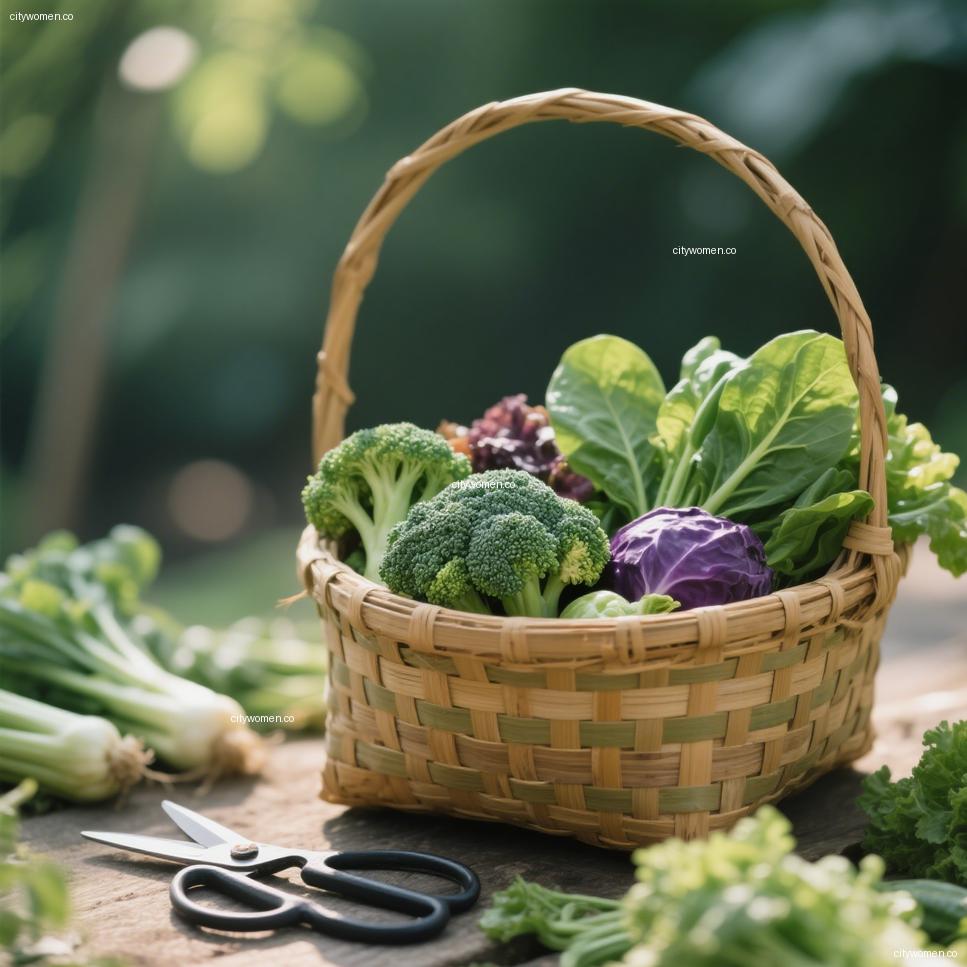
– Mix up your plants: Aim for a rainbow plate each day. Different colors mean different bioactive compounds that support the microbiome in complementary ways.
– Don’t skip the fats and proteins: Healthy fats and adequate protein support gut integrity and can influence satiety and immune function, indirectly helping digestion.
– Include enjoyable fermented foods: If you dislike sour things, try milder options or differentfermented products. The goal isn’t perfection; it’s consistency and variety.
– Give your gut a non-fiber workout: After meals, a gentle 10–15 minute walk or some light stretching helps the digestive system keep things moving smoothly.
– Prioritize sleep and stress relief: Chronic stress and poor sleep are sneaky saboteurs of gut health. A little mindfulness, breathing, or a short evening routine can pay dividends.
A simple weekly pilot you can try
– Monday: Add one new plant-based food you don’t usually eat. It could be a brassica, a legume, or a colorful pepper.
– Tuesday: Include a fermented food serving (yogurt or kefir for breakfast, sauerkraut with lunch, etc.).
– Wednesday: Hydration reset—start your day with a glass of water and track your intake so you’re consistently hydrated.
– Thursday: A post-meal walk or light mobility routine after dinner.
– Friday: Swap one grain for a more diverse plant option (try quinoa, farro, or a legume-based dish).
– Weekend: Give yourself a stress-relief moment—breathing, a short meditation, or a bath. Gut health loves calm.
ADVERTISEMENT
ADVERTISEMENTKate Spade Autumn/Winter Sale |
How to measure progress beyond “more fiber equals better gut”
– Energy and digestion: Are meals sitting more comfortably? Are there fewer unscheduled gaps between meals? Do you feel a gentler energy curve after eating?
– Stool patterns: Regularity and ease of bowel movements can improve with the combination of hydration, movement, and varied plants—not just more fiber.
– Mood and resilience: Small mood improvements and less irritability can reflect better gut-brain communication, a benefit of balanced gut health.
– Food variety: Are you enjoying new foods and flavors? Consistency with variety is a strong predictor of long-term gut wellness.
Bottom line
And it’s not fiber either. Yes, fiber matters, but a thriving gut is built on a wider lattice: hydration, movement, fermented foods, plant diversity, and good sleep. When you widen the lens, you’ll probably notice bigger, more sustainable improvements than chasing fiber alone.
If you’re ready to experiment, tell me: what’s one non-fiber gut-boosting habit you’re going to try this week? Share your plan, and I’ll cheer you on—and maybe drop a couple of tasty recipe ideas to keep it exciting.
ADVERTISEMENT
ADVERTISEMENTUp to 30% off Gift Sets |