



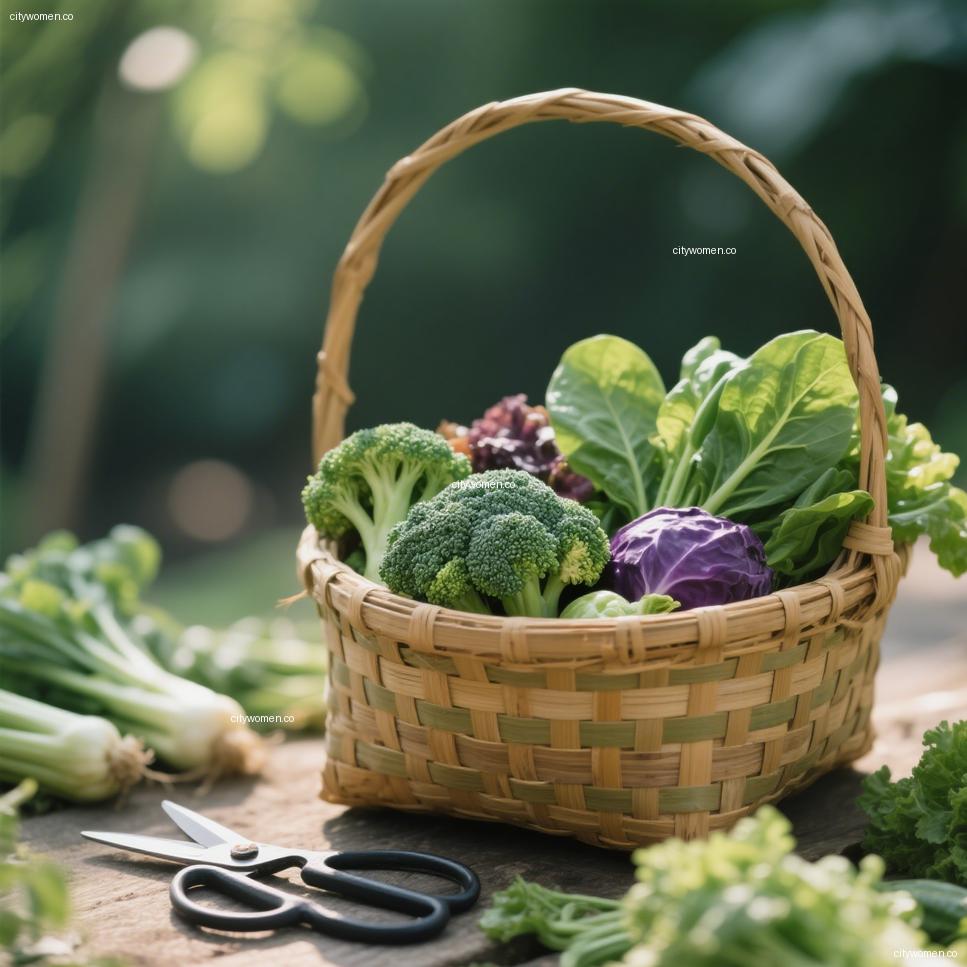
Title: This Classification System Is All About the Ingredients
Picture this: a kitchen where every ingredient isn’t just tossed in at random, but carefully chosen, measured, and positioned to create something extraordinary. That’s the energy behind this classification system. It’s not a dry taxonomy with checkboxes and dull labels. It’s a lively recipe guide that turns complexity into flavor, insight, and momentum.
At its heart, this system treats components as the star players in a grand culinary lineup. Each ingredient has a purpose, a personality, and a precise role to play. Some provide structure—think the sturdy scaffolding of a great cake that holds everything aloft. Others deliver punch—the bright saltiness of a caramelized edge, the zing of citrus that wakes the senses, or the warm depth of a toasted nut that lingers on the tongue. When you look at it this way, classification isn’t about boxes and labels; it’s about relationships, textures, and the dance they perform together.
Ingredients aren’t just added; they’re orchestrated. The system insists on balance: not too much of one thing, not too little of another. It nudges us to consider context—where is this going, who’s it for, what moment is it meant to elevate? Just as a chef tastes as they go, this framework invites ongoing refinement. It’s dynamic, adaptable, and responsive to what the end experience needs to be.
Consider the way flavors evolve with time. A fresh herb can brighten a dish, but when heated, it transforms. Similarly, the classification system recognizes that some inputs mature, some fade, and some unlock new qualities only under certain conditions. It’s not rigid; it’s relational. Components interact, amplify, or mellow one another, and the overall result is greater than the sum of its parts.
Clarity is another standout ingredient. When you slice through the noise, the categories reveal clean lines, intuitive connections, and actionable guidance. You don’t have to guess which piece belongs where because the framework is designed to reflect how things truly behave. That transparency is addictive: once you taste the ease of understanding, you start craving more precise, confident decisions in every project.
ADVERTISEMENT
ADVERTISEMENTKate Spade Autumn/Winter Sale |
Then there’s the collaborative flavor—the social aspect of a shared ingredient list. When a team adopts a common language built around these ingredients, communication becomes smoother, conflicts soften, and momentum builds. People aren’t debating abstractions; they’re aligning around tangible elements they recognize, measure, and improve together. The system becomes a shared pantry from which everyone can pull what’s needed to sustain progress.
What makes this approach so compelling is its scalability. Whether you’re cataloging features for a product, organizing processes in a workflow, or mapping capabilities across departments, the same culinary logic applies. Start with the core staples that ground everything, then layer in the supporting flavors that differentiate and elevate. Finally, season to taste with contextual tweaks—industry, audience, environment, and goals. The result is a living, breathing map that grows smarter as you feed it more data and experience.
If you’re feeling overwhelmed by complexity, lean into the ingredients mindset. Write down your essential components as if you’re listing pantry staples. Test each one: Does it bring structure? Does it add depth? How does it interact with the others? Then arrange them in a way that highlights the most important flavors while still leaving room for delightful surprises.
The beauty of this classification approach is not just in what it organizes, but in what it unleashes: clarity, confidence, and creative momentum. When you treat every element as an ingredient—worthy of attention, balance, and experimentation—you unlock a culture of intentionality. Projects become tasty, teams become synchronized, and outcomes become something you can savor rather than merely endure.
So, yes, this classification system is all about the ingredients. But more than that, it’s about empowering you to cook up better ideas, faster decisions, and richer experiences. Ready to start your kitchen? Gather your components, trust the process, and taste the results.
ADVERTISEMENT
ADVERTISEMENTUp to 30% off Gift Sets |